Experience Dubai’s Rich Heritage
Dubai is not only about modern skyscrapers—it also treasures its traditions
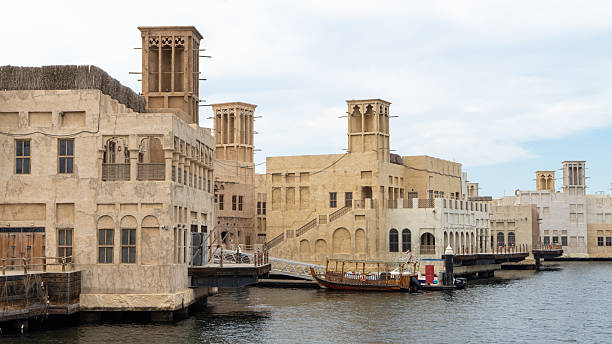
Old Dubai - Explore Al Fahidi Historical District with wind-tower architecture
Exploring Old Dubai is like stepping into the city’s past, long before the rise of skyscrapers and luxury malls. The Al Fahidi Historical District is the heart of this heritage, known for its narrow alleyways, traditional courtyard houses, and distinctive wind-tower architecture that once cooled homes before air conditioning. Today, the district has been carefully preserved, housing art galleries, cultural centers, and cafes that give visitors a glimpse of Dubai’s roots. Walking through Al Fahidi offers an authentic contrast to the modern cityscape and provides a deeper understanding of Dubai’s evolution.
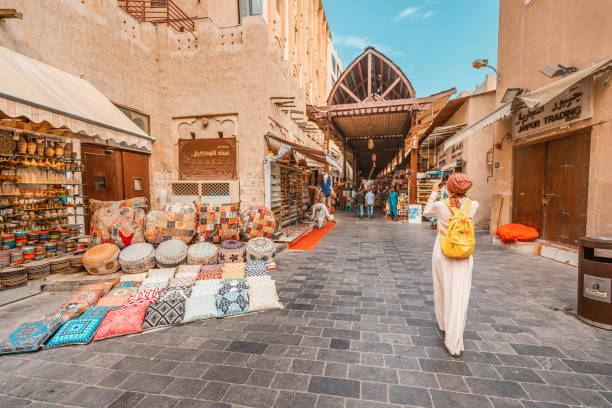
Souks (Markets) - Gold Souk and Spice Souk offer an authentic local shopping experience
The bustling souks of Dubai are a feast for the senses and remain central to the city’s cultural identity. The Gold Souk in Deira is world-renowned, featuring hundreds of shops filled with intricate jewelry designs crafted in gold, silver, and precious stones. Just nearby, the Spice Souk entices visitors with the aroma of saffron, cinnamon, cardamom, and other exotic spices stacked high in traditional stalls. Beyond shopping, the souks offer an authentic cultural experience, where bargaining is part of the tradition, and the energy of trade mirrors Dubai’s history as a global hub of commerce.
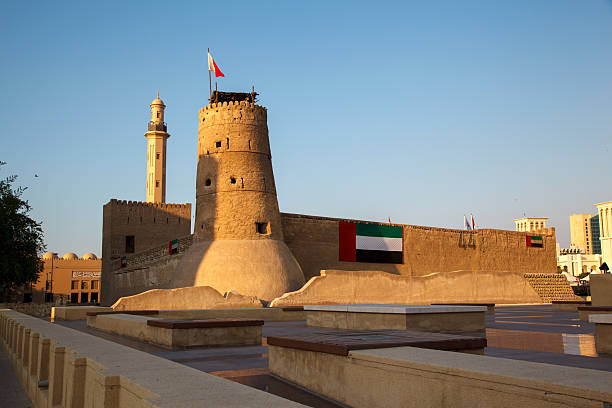
Dubai Museum (Al Fahidi Fort) - Insight into Emirati history and life before oil.
Located within the historic Al Fahidi Fort, the Dubai Museum offers an engaging journey through the emirate’s history. Built in 1787, the fort is the oldest existing building in Dubai and once served as a defensive structure, a royal residence, and a storage facility. Today, it showcases life in the pre-oil era, with exhibitions on pearl diving, Bedouin traditions, and the transformation of Dubai from a small fishing village to a modern metropolis. Interactive displays and life-sized dioramas make it an educational yet enjoyable experience for visitors of all ages.

Traditional Cuisine - Local dishes such as Al Harees and Luqaimat.
Food is an important window into culture, and Dubai’s traditional cuisine reflects both Emirati heritage and its position as a crossroads of global trade. Dishes such as Al Harees, a slow-cooked blend of wheat and meat, highlight the simplicity and depth of Emirati cooking. Meanwhile, sweet treats like Luqaimat, deep-fried dumplings drizzled with date syrup, are popular during Ramadan and festive occasions. Visitors can enjoy these dishes in traditional Emirati restaurants or cultural dining experiences that celebrate hospitality, sharing, and family traditions.
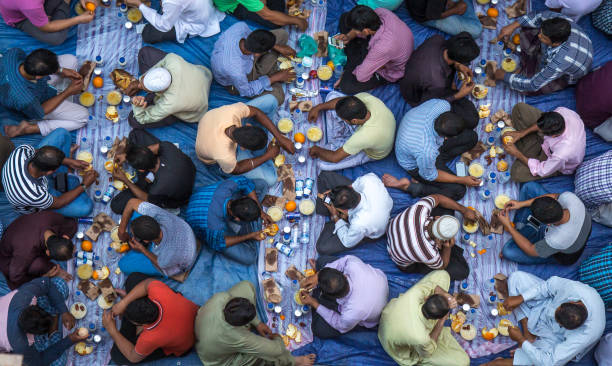
Festivals - Ramadan traditions and cultural celebrations showcasing the Emirati way of life.
Festivals in Dubai offer unique opportunities to engage with local customs and the city’s multicultural spirit. During Ramadan, the holy month of fasting, the city transforms at night with bustling iftar tents, prayer gatherings, and a spirit of community. Beyond religious events, Dubai hosts cultural celebrations such as the National Day Festival, which showcases Emirati pride through parades, fireworks, and traditional performances. Together, these festivals reflect the diversity of the city’s residents while preserving the values and traditions of Emirati heritage.